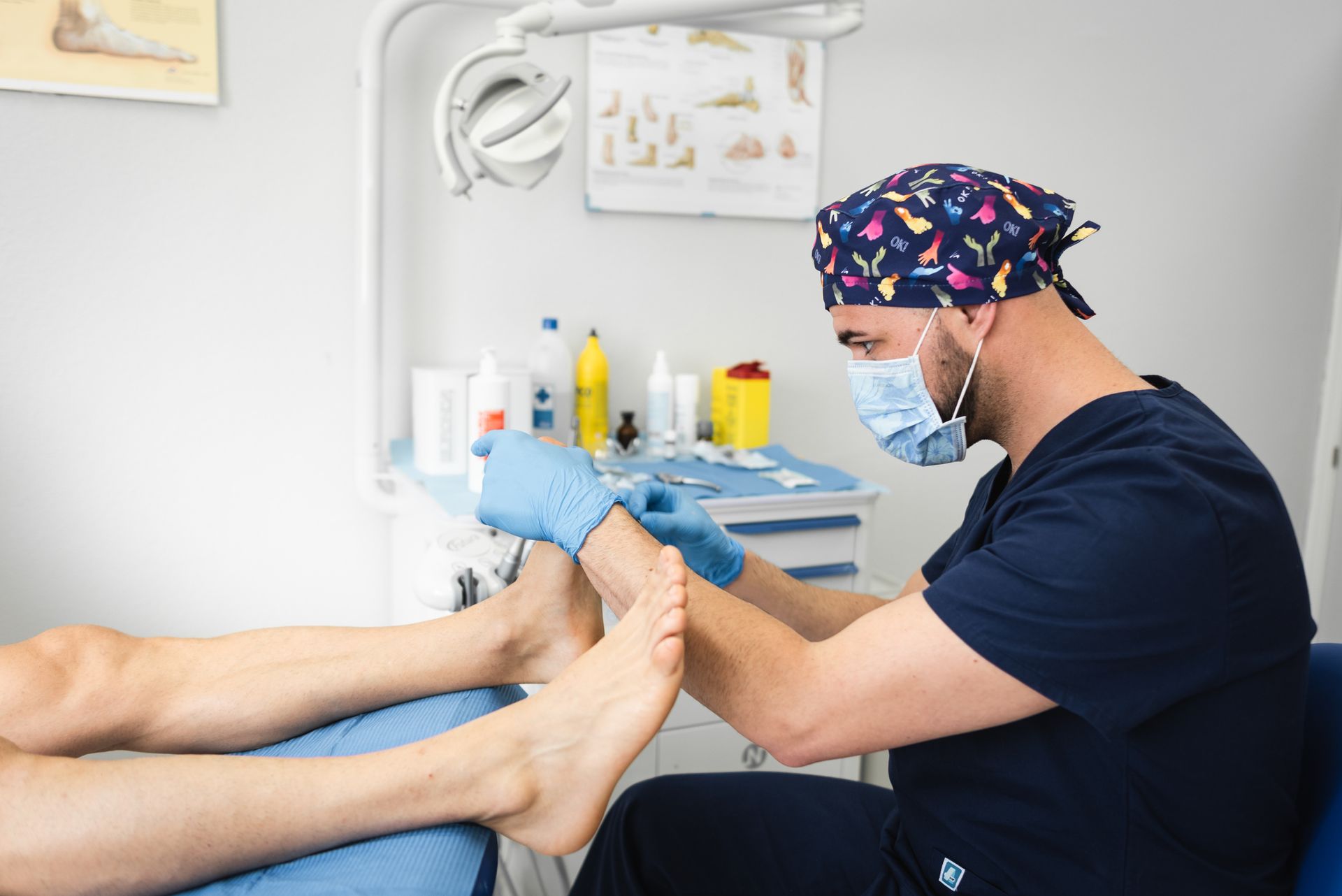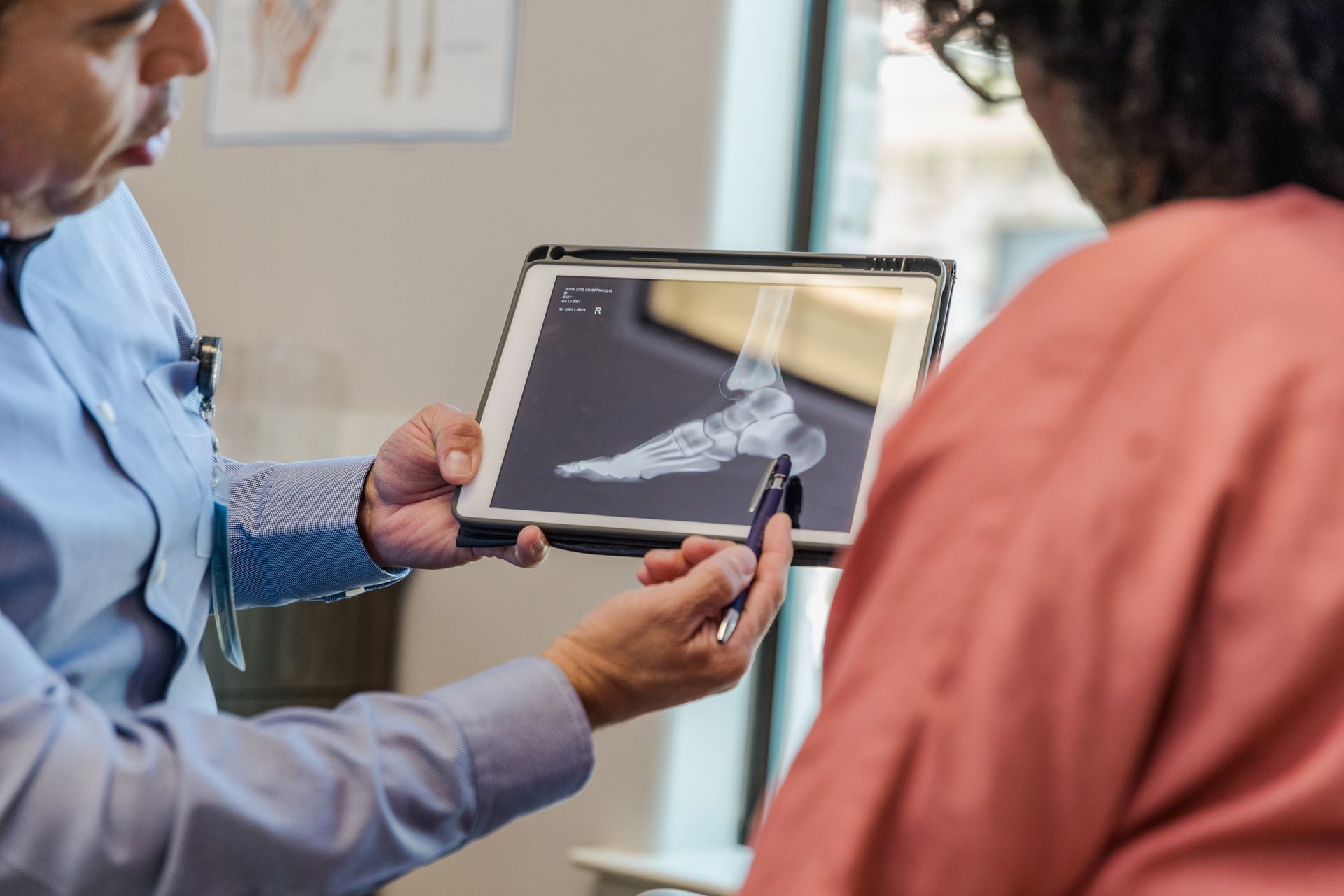
Children Podiatrist: Signs to Take Your Child to a Podiatrist
Knowing when your child may need a children's podiatrist is something many Central Coast parents find confusing, but recognising the early warning signs can make a real difference to long-term health. Children's feet develop rapidly in the first decade of life, and problems left unchecked can affect posture, balance, and comfort well into adulthood. This guide covers the key red flags to watch for, age-based milestones, and when to seek a professional assessment on the Central Coast, NSW.
Why Children's Foot Development Matters
Foot development is most active between birth and around age seven, when bones, muscles, and ligaments are still forming and highly responsive to early intervention. Problems identified during this window can often be corrected more effectively than those treated later in life.
Central Coast kids are active. School sport seasons, beach walking, and outdoor play put real demands on growing feet, making it especially important for local parents to understand what normal development looks like.
Key Developmental Milestones for Children's Feet
- 0 to 2 years: Flat feet are completely normal at this age.
- 2 to 3 years: Arches begin to form; walking becomes more controlled.
- 3 to 5 years: Toe walking should resolve by age three.
- 5 to 10 years: In-toeing often improves naturally; persistent cases may need review.
- 10 to 14 years: Growth spurts increase the risk of heel pain (Sever's disease).
What Are the Signs Your Child May Need a Children's Podiatrist?
Toe Walking Past Age Three
Most toddlers go through a toe-walking phase. If your child is still consistently walking on their toes after age three, it may indicate tightness in the calf muscles or an underlying issue with muscle or nerve development. A podiatrist can assess gait and recommend exercises, footwear, or orthotics.
Persistent Flat Feet
Flat feet are expected in babies and toddlers. If arches have not begun to form by school age, or if your child reports pain in their feet or legs after activity, a review is worthwhile. Flat feet can contribute to ankle rolling, knee pain, and general fatigue, particularly during the Central Coast's busy winter sport season.
In-Toeing or Out-Toeing
Walking with feet turned inward or outward is common in early childhood and often resolves on its own. When it persists past primary school age, causes tripping or falling, or appears to be worsening, it may be time to seek a professional opinion.
Heel Pain During or After Activity
Heel pain in children aged 8 to 14 is frequently caused by Sever's disease, involving inflammation of the growth plate at the back of the heel. It tends to flare during periods of rapid growth and heavy physical activity such as football or athletics seasons. Early management can help your child stay active and comfortable.
Growing Pains That Seem Structural
True growing pains typically occur in the thighs and calves at night and ease by morning. Pain localised to the feet or heels, worsening with activity, or affecting how your child walks may have a mechanical cause. A children's podiatrist can help distinguish between the two.
Visible Changes in How Your Child Walks or Stands
If your child is limping, avoiding certain activities, complaining frequently about sore feet or legs, tripping more than their peers, or showing uneven shoe wear, these are all reasons to seek a professional review.
When to Act: A Simple Checklist
Consider booking an appointment if your child:
- Walks on their toes past age three.
- Complains of foot, heel, or leg pain during or after sport.
- Has flat feet and is old enough for arches to have developed.
- Trips or falls more often than expected for their age.
- Shows limping, an uneven gait, or avoidance of physical activity.
- Has visible differences in the appearance of their feet or ankles.
- Wears out one shoe noticeably faster than the other.
The Benefits of Early Intervention
Seeing a children's podiatrist early can help prevent a short-term issue from becoming a long-term problem. Care may include gait analysis, footwear advice, stretching programmes, or custom orthotics. The sooner a concern is identified, the more options are available to address it effectively. For more, visit our children's feet page.
At What Age Should a Child First See a Podiatrist?
Around school age is a good starting point, or earlier if you notice anything unusual about your child's gait or foot shape.
Can a Podiatrist Help With Growing Pains?
Yes. If pain has a mechanical or structural cause, a podiatrist may recommend exercises, orthotics, or footwear changes.
Are Flat Feet in Children Always a Problem?
No. Flat feet are normal in young children and only warrant concern if arches fail to develop or pain occurs.
Does My Child Need a Referral to See a Podiatrist?
No referral is needed. You can contact a podiatry clinic directly to book an assessment for your child.
Ready to Have Your Child's Feet Assessed?
Angela Green Podiatry has been providing paediatric podiatry services to Central Coast families for over 35 years, with clinics in Toukley, Budgewoi, and Killarney Vale. To book an appointment, contact our team or call your nearest clinic: Toukley (02) 4396 3333 <Link to call>, Budgewoi (02) 4390 0500, or Killarney Vale (02) 4333 7773. You can also find us and read local reviews at Angela Green Podiatry.