Podiatrists' Guide: What to Expect at Your First Podiatry Appointment on the Central Coast
Visiting a podiatrist for the first time can feel uncertain. This guide walks you through exactly what to expect, from booking to follow-up care with podiatrists on the Central Coast.
Booking Your First Appointment
You do not need a referral in most cases, though a GP referral may be required for certain Medicare or Department of Veterans' Affairs arrangements. When booking, let the clinic know your reason for visiting so the right amount of time can be allocated. Ask whether your private health insurance covers podiatry, as many funds provide rebates. Bring your health fund card, Medicare card, and any referral letters on the day.
What to Bring and Wear
A few simple preparations make your consultation more productive. Wear or bring the shoes you use most often, including sports and work footwear. Bring any previous X-rays, scans, or reports, and note your symptoms, including when they started and what makes them better or worse. A list of current medications is helpful, as conditions such as diabetes or arthritis affect foot health. Wear loose-fitting clothing that allows quick access to your lower legs.
What Happens During the Consultation
Health History Review
The podiatrist will ask about your general health, lifestyle, and the concern that brought you in. Conditions such as diabetes, poor circulation, arthritis, and previous injuries are all relevant to foot health.
Physical Assessment
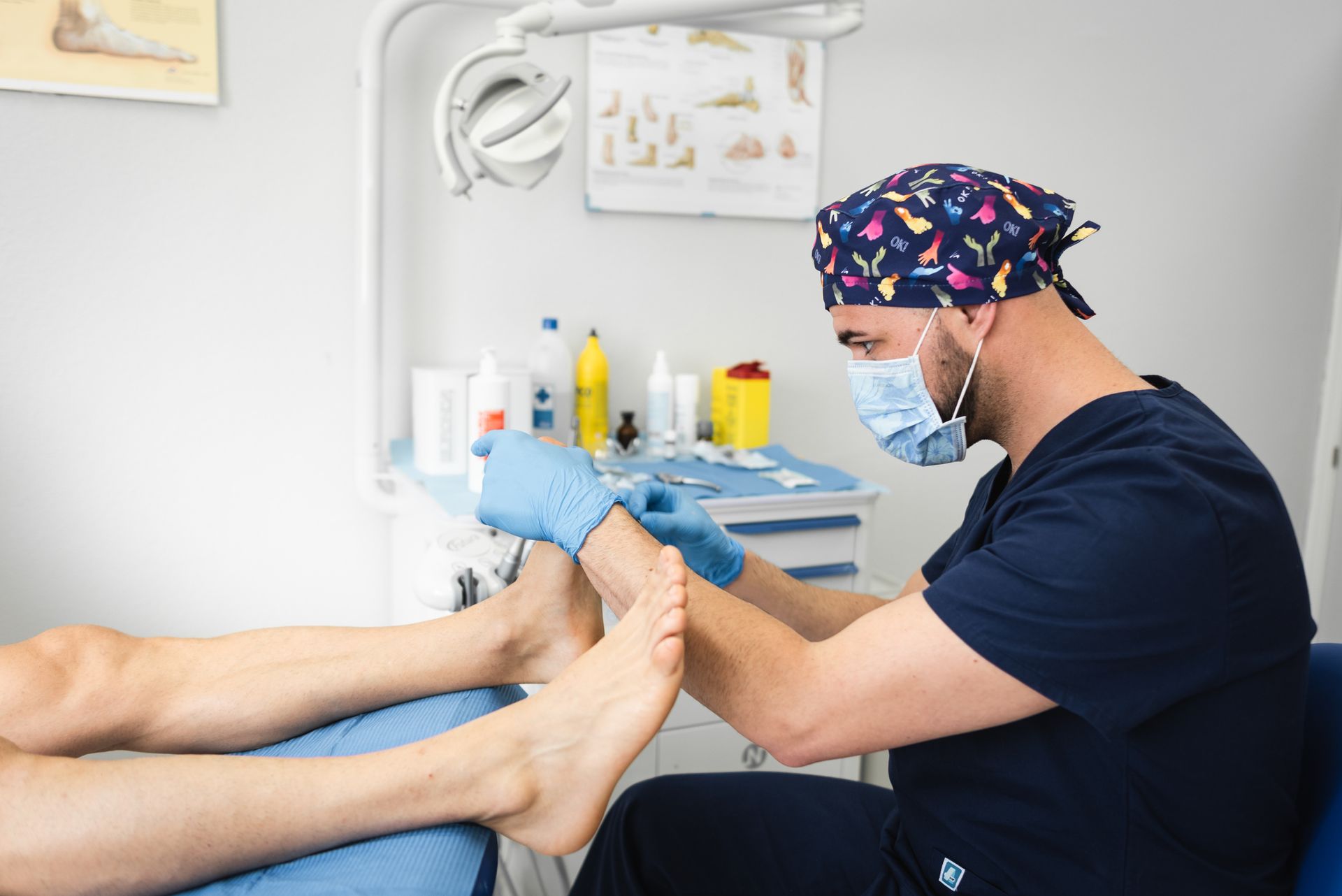
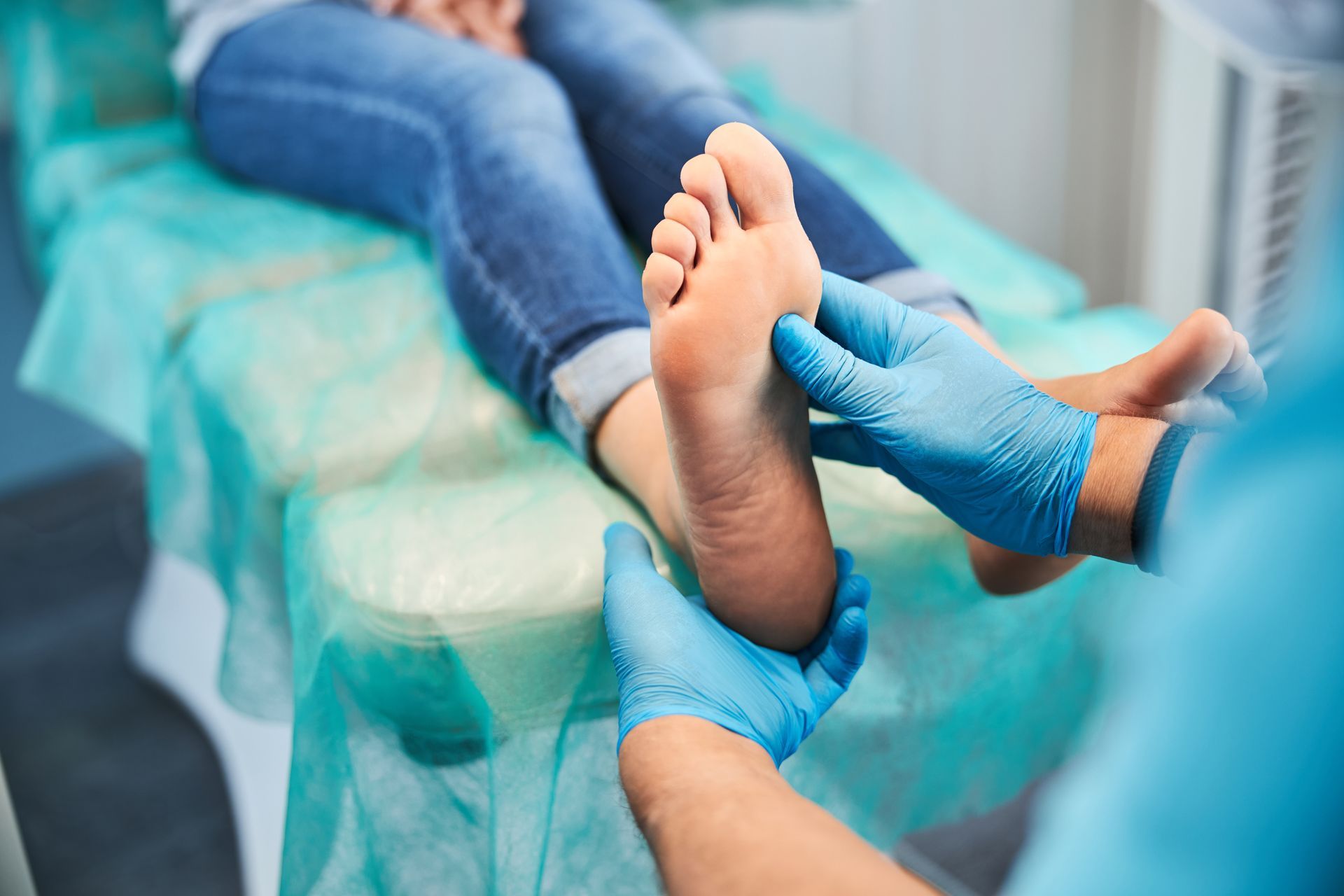
Podiatrists will examine your feet and lower limbs, assessing posture, gait, muscle strength, joint range of motion, skin and nail condition, and circulation. Children visiting for concerns such as flat feet or toe-walking can expect a similar process tailored to their age.
Footwear Evaluation
Your shoes often play a significant role in foot health. The podiatrist may inspect sole wear patterns to identify biomechanical issues. Central Coast residents who walk or play sport are encouraged to bring all footwear they use regularly.
Common Outcomes
Depending on what the assessment finds, your podiatrist may recommend footwear changes, treatment of skin or nail conditions, imaging such as X-rays or ultrasound, prefabricated or custom orthotics, a home exercise programme, or a follow-up schedule. Not every appointment results in a complex plan. Some patients need only reassurance or a single procedure.
Orthotics are not automatically prescribed. They are only recommended when an assessment indicates they are likely to help. You can learn more on the Podiatry Orthotics page.
Understanding Follow-Up Care With Podiatrists
Follow-up frequency depends on your condition and how your feet respond to initial care. Conditions such as plantar fasciitis or diabetic foot concerns benefit from regular monitoring. Your podiatrist will provide clear guidance on exercises, footwear changes, or wound care between visits.
Where conditions are more complex, a podiatrist works alongside GPs, physiotherapists, and specialists. If a referral is needed, your podiatrist will explain why. People with diabetes, arthritis, or circulation issues may benefit from regular scheduled visits to prevent complications.
Ready to Book Today?
Angela Green Podiatry has served patients across Toukley, Killarney Vale, and Budgewoi since 1989, providing care for children, adults, and older patients.
Call (02) 4396 3333 for Toukley or home visits, or (02) 4390 0500 for Budgewoi. Visit the Contact Us page to book or enquire. You can also find Angela Green Podiatry on Google to read reviews about the podiatrists and confirm clinic hours.